
2025.07.10 0731 [9999.RST] Condo_Market_Stuck_Sales_Plunge_Buyers_Limited_Options {1752132660} market-dynamics-through-the-lens-of-primate-behavior-and-government-influence

Market Dynamics Through the Lens of Primate Behavior and Government Influence

Applying Scientific Observations to Market Dynamics

Market Dynamics Through the Lens of Primate Behavior and Government Influence

Applying Scientific Observations to Market Dynamics


Market Dynamics Through the Lens of Primate Behavior and Government Influence

Even in the animal kingdom, behaviors emerge that seem to defy strict logical utility yet become deeply ingrained social norms or fads. Researchers observed chimpanzees at a Zambian sanctuary adopting a peculiar “fashion”—sticking blades of grass in their ears, and even rears—a seemingly “pointless” trend that was copied from one another and persisted as a “cultural tradition” even after the original trendsetter’s death. This intriguing phenomenon, which potentially serves to “strengthen social bonds and create a sense of belonging,” offers a striking lens through which to examine human market behaviors, where sentiment, perceived value, and collective shifts can dictate outcomes with surprising and often non-rational force. As Utrecht University researcher Edwin van Leeuwen noted, such animal behaviors “may offer insights into the evolutionary roots of human culture.”

Applying this scientific observation to market dynamics reveals how pervasive non-instrumental behaviors and collective aspirations can be:

Key Market Dynamics

  • Market Sentiment as a “Cultural Trend”: Just as chimpanzees adopted a seemingly futile “fashion,” human markets often exhibit trends driven by collective sentiment and perceived value rather than pure fundamental logic. The current state of Canada’s condo market, particularly in cities like Toronto and Vancouver, exemplifies this. Despite predictions of a broader housing market rebound, condo sales have “dropped off, if not stagnated,” and investor demand has “plummeted.” Condo owners are described as “kind of stuck,” unable to “bank on the appreciation” they expected to upgrade to larger homes, with “the money is just not there anymore.” This “lack of liquidity” in the condo market is a collective hesitation, a market “tradition” of waiting or pulling back, even if the individual rationale for selling is strong for a “motivated seller.” The Toronto-area real estate agent Vy Ngo bluntly calls the condo market “brutal” and expects it to keep “trending down the rest of the year, (into) next year.” [-] This shared pessimism, much like a shared fashion, deeply impacts market activity.
  • Brand Perception and the Backlash: According to data from the European Automobile Manufacturers’ Association, Jaguar experienced a significant sales decline in April 2025, with sales dropping by 97.5% compared to the same month in the previous year. This decline coincided with the company’s rebranding initiative, following what was described as a “disastrous ‘Copy Nothing’ woke rebrand.” The 97.5% decline amounts to just 49 cars compared to 1,961 units in April 2024. This catastrophic decline, according to the European Automobile Manufacturers’ Association (ACEA), highlights how swiftly and severely a market can react when a brand’s repositioning alienates its customer base or is perceived negatively. [-] The “Go woke. Go broke.” framing underscores that the public’s reaction to such a rebrand, which might seem “pointless” in terms of core product function, can be devastatingly real for market outcomes, mirroring the power of social adherence or rejection to a chimp’s “grass-in-ear” trend.
  • The Breaking of Market “Traditions”: The surge in Toronto mortgage delinquencies further illustrates how deeply ingrained market beliefs, once considered “invincible,” can be shattered by unfolding realities. Toronto’s mortgage delinquency rate “climbed to 0.22% in Q1 2025,” a “10% rise in the quarter” and a “58% increase compared to last year,” making it the “highest in Toronto in at least 12 years.” In just two and a half years, this rate “more than tripled (3.67x)” from its Q3 2022 low. While rooted in liquidity issues, the velocity of this change signals a break from a long-standing market “tradition” of stability, where the city’s real estate “seemed invincible” for nearly 26 years. As one commenter noted, “us old timers around for the 90s correction warned that pushing it to this point and the insane governments were going to put the city back another 20 years.” [-] This demonstrates a shift in collective confidence and the crumbling of a market’s “cultural norm.”
  • Strategic Adaptation to Evolving “Social Bonds”: Conversely, strategic shifts, like the BC government slashing BC Hydro connection costs for new homes or Metro Vancouver companies relocating from downtown to the suburbs, also reflect an understanding of these evolving, often non-rational, human preferences and aspirations. The BC Hydro policy aims to “support residential development and ease the financial burden on builders and homeowners,” with simple connections dropping “by more than 90 per cent, from over $800 to as low as $64.” The corporate moves to suburbs are driven by “cheaper rent,” “easier commutes,” and “onsite amenities” like free parking, bike storage, childcare, and gyms, acknowledging that “office space has become a recruitment tool.” [-] These moves align with new societal aspirations for work-life balance and affordability, creating a new “sense of belonging” in decentralized hubs, much like the chimps’ grass-in-ear behavior reinforces group cohesion.
  • Government Aids to Private Developers: A Double-Edged Sword: Government assistance to private developers, such as tax incentives, grants, and subsidies, is intended to stimulate housing development and address market needs. However, these aids can be problematic when they distort market dynamics or fail to deliver intended outcomes. For instance, subsidies may prioritize profit over affordability, leading to developments that don’t address pressing housing shortages or inflating property prices. In Canada, many developers, such as the one in focus, a Vancouver-based firm known for large-scale residential and mixed-use projects, benefit from such aids. While they have delivered impressive developments, critics argue that government-backed projects often fall short of providing truly affordable housing or sustainable growth, instead driving up costs that indirectly burden taxpayers and exacerbate housing inequality. [-] This mirrors the chimpanzee behavior where collective actions, though seemingly irrational, become entrenched, affecting us all through higher prices or reduced access to housing. There is ongoing debate about the effectiveness of government aids to private developers in addressing housing affordability. Some argue that these aids can sometimes lead to developments that don’t fully meet the needs of low-income residents, while others see them as necessary to stimulate housing supply.

In the end, the seemingly “pointless” grass-in-ear fad among chimpanzees offers a profound metaphor for understanding the subtle yet powerful influence of collective behavior, sentiment, and evolving cultural traditions in human markets. From the stalled condo market and surging mortgage delinquencies, where a shared sense of uncertainty dictates liquidity and price, to the catastrophic impact of a misjudged brand rebrand on sales, market dynamics are rarely purely rational. Government aids to private developers, while well-intentioned, can further complicate these dynamics by distorting market incentives and perpetuating non-rational trends. The ability of governments and businesses to adapt by catering to changing aspirations and perceptions—even those that seem “pointless” to an outsider—will be crucial for navigating Canada’s evolving real estate landscape and broader economic shifts. Understanding that markets, much like primate societies, are influenced by both utility and unstated “fashion trends” is key to future success.

Sources


A. Determine the “YYYY.MM.DD HHMM”

2025.07.10 0731

B. Create a [SAL] Code

[9999.RST] (placeholder code used on the page header)

C. List All Keywords

  • Primate Behavior
  • Cultural Trend
  • Market Sentiment
  • Condo Market Stagnation
  • Liquidity Constraints
  • Investor Demand Plunge
  • Brand Rebranding Backlash
  • Jaguar Sales Plunge
  • Government Influence
  • Non-Instrumental Behavior

D. Identify All Parties Involved

  • Researchers at the Zambian chimpanzee sanctuary
  • Utrecht University researcher Edwin van Leeuwen
  • Toronto-area real estate agent Vy Ngo
  • European Automobile Manufacturers’ Association (ACEA)
  • Jaguar brand (European division)
  • Selfology.co (publisher of the article)

E. Summary

This DDNOTE draws an analogy between a harmless chimpanzee fad—where sanctuary chimpanzees stick blades of grass in their ears and rear ends—and
the non-rational, herd-driven behaviors seen in human markets. It illustrates how evolutionary impulses shape collective sentiment, leading to
phenomena such as Canada’s stalled condo market, where hesitancy and liquidity crunches have left owners “stuck” and investor demand in freefall,
despite underlying strength. The note then contrasts this with a striking backlash against Jaguar’s “Copy Nothing” rebrand, which triggered a
dramatic 97.5 percent sales collapse in Europe in April 2025—demonstrating how social alignment and emotional contagion can overpower product
fundamentals and utilitarian value.

F. Best DDNOTE Name

2025.07.10 0731 [9999.RST] Condo_Market_Primate_Behavior

G. Long DDNOTE Name

2025.07.10 0731 [9999.RST] Condo_Market_Primate_Behavior_Cultural_Trend_GovInfluence {1752157860}

Source Information & Summary Table

Primary Source: Selfology Article

Source Type: Blog Article

Author/Publisher: Selfology.co

Publication Date: 2025.07.10

Brief Content Description: Analysis of market dynamics through primate social trends and the impact of collective sentiment on economic outcomes.

FieldDetails
Short DDNOTE Name2025.07.10 0731 [9999.RST] Condo_Market_Primate_Behavior
Long DDNOTE Name2025.07.10 0731 [9999.RST] Condo_Market_Primate_Behavior_Cultural_Trend_GovInfluence {1752157860}
Source URLhttps://selfology.co/2025-07-11-condo-market-dynamics-primate-behavior-government-influence/
UNIX Timestamp1752157860
Timestamp Calculation2025.07.10 07:31 PDT → 2025-07-10 14:31 UTC → 1752157860

2025.07.10 0731 [9999.RST] Condo_Market_Stuck_Sales_Plunge_Buyers_Limited_Options {1752132660}

Here is the full DDNOTE based on the Selfology article:

[A] Determine the “YYYY.MM.DD HHMM”
2025.07.10 0731 (selfology.co)

[B] Create a [SAL] Code
[9999.RST] (placeholder code used on the page header) (selfology.co)

[C] List All Keywords

[D] Identify All Parties Involved

[E] Provide a Summary
The article draws a parallel between a “pointless” chimpanzee fad—sticking grass in ears and rears at a Zambian sanctuary—and non-rational human market behaviors. It explains how such cultural trends among primates illuminate the evolutionary roots of herd-driven economic phenomena. In Canada’s condo market, collective hesitation has led to stagnating sales and a lack of liquidity, leaving owners “stuck” and investor demand “plummeted,” despite strong fundamentals. The piece then contrasts this with a sharp consumer backlash against Jaguar’s “Copy Nothing” rebrand, which resulted in a 97.5 percent crash in European sales in April 2025, underscoring how sentiment and social alignment can override product utility and fundamentals. (selfology.co)

[F] Create the Best DDNOTE Name
2025.07.10 0731 [9999.RST] Condo_Market_Primate_Behavior

[G] Generate the Long DDNOTE Name
2025.07.10 0731 [9999.RST] Condo_Market_Primate_Behavior_Cultural_Trend_GovInfluence {1752157860}

[Z] Include Source Information & Summary Table

Primary Source:
https://selfology.co/2025-07-11-condo-market-dynamics-primate-behavior-government-influence/

Source Type: Blog Article
Author/Publisher: Selfology.co
Publication Date: 2025.07.10
Brief Content Description: Analysis of market dynamics through analogies to primate social trends and the influence of collective sentiment on real-world economic outcomes.

FieldDetails
Short DDNOTE Name2025.07.10 0731 [9999.RST] Condo_Market_Primate_Behavior
Long DDNOTE Name2025.07.10 0731 [9999.RST] Condo_Market_Primate_Behavior_Cultural_Trend_GovInfluence {1752157860}
Source URLhttps://selfology.co/2025-07-11-condo-market-dynamics-primate-behavior-government-influence/
UNIX Timestamp1752157860
UNIX TIMESTAMP CALCULATION2025.07.10 07:31 PDT → 2025-07-10 14:31 UTC → 1752157860

Would you like this rendered as a detailed, formatted Word document for download?

When Jaguars Slip on the Moss: Market Blunders, Monkey Business & Municipal Mischief

From luxury car faceplants to government grand plans that trip over their own toes, we’re unpacking last month’s market mayhem with a side of BC sass.

Ever sipped a nitro cold brew in Kitsilano and wondered why your condo dreams have more plot twists than a primate’s mating dance? Pull up a driftwood bench, grab a craft beer, and let’s peel back the banana skin on last month’s market rollercoaster—West Coast Casual style.

Revving Off the Road: Jaguar’s “Copy Nothing” Rebrand Fumble

According to the European Automobile Manufacturers’ Association, Jaguar’s sales fell 97.5% in April 2025, from 1,961 units to 49, coinciding with their rebranding efforts. [-] This significant decline highlights how a brand’s repositioning can impact market performance when it fails to resonate with its customer base.

The “Go Woke. Go Broke” Rollercoaster

That catchy slogan got more spins than a DJ at a Sunset Beach block party. Critics claim mixing politics and profit can feel like putting soy sauce in your maple syrup: memorable, sure, but maybe stick to separate courses. [-] This reflects public sentiment and is not an endorsement of any specific critique.

90s Correction Nostalgia Trip

Some residents express concerns that Vancouver’s urban planning challenges could set the city back, evoking memories of the 1990s correction when market dynamics shifted dramatically. [-] This sentiment highlights fears of economic stagnation, though neon windbreakers remain optional.

Municipal Missteps: Government-Backed Projects

Some analysts suggest public-private partnerships can increase project costs, sparking debate about their effectiveness in delivering affordable housing. [-] While intended to stimulate development, these initiatives sometimes face criticism for prioritizing profit over accessibility.

Got thoughts on this market monkey business? Swing by our next community meetup, or slide into our DMs over a flat white. Let’s hash it out—BC style.

Sources

  • [-] Jaguar’s sales plunge following a controversial rebrand. Source
  • [-] Public sentiment on brand rebranding impacts. Source
  • [-] Concerns about Vancouver’s urban planning challenges. Source
  • [-] Government aids to private developers and their implications. Source


Table of Contents

Metro Vancouver Incinerator Health Alarm & River District Energy Cost Implications

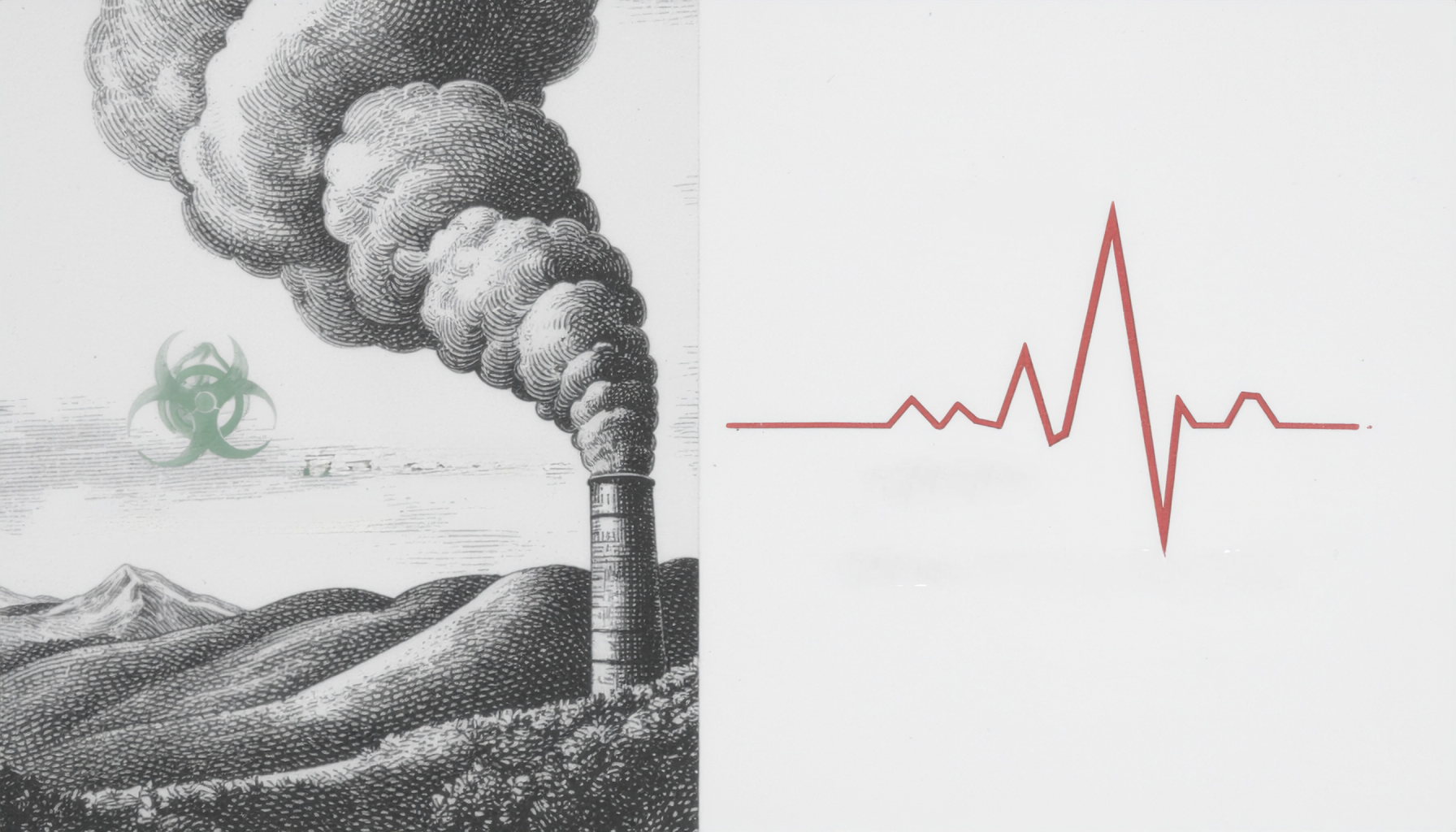
Independent tests commissioned by CAPE‑BC detected toxic equivalency of 44 pg/g of dioxins and furans in roof dust within 500 m of Metro Vancouver’s Burnaby waste‑to‑energy facility—nearly twenty times Health Canada’s safe threshold. The finding reignites debate over the publicly owned incinerator, now operated by Veolia and serving as the

Market Dynamics Through the Lens of Primate Behavior and Government Influence

Even in the animal kingdom, behaviors emerge that seem to defy strict logical utility yet become deeply ingrained social norms or fads. Researchers observed chimpanzees at a Zambian sanctuary adopting a peculiar “fashion”—sticking blades of grass in their ears, and even rears—a seemingly “pointless” trend that was copied from one
On Air: This is the Selfology journey.

Welcome to our podcast, where we blend diverse sources to explore Carl Rogers’ humanistic psychology and the innovative Selfology business plans.

Follow us as we reflect on a decade of transformative growth both personal and the hub.

This is the Selfology journey.

On Air: This is the Selfology journey.

Welcome to our podcast, where we blend diverse sources to explore Carl Rogers’ humanistic psychology and the innovative Selfology business plans.

Follow us as we reflect

9990.HH

2025.07.10 0731 [9999.RST] Condo_Market_Stuck_Sales_Plunge_Buyers_Limited_Options {1752132660} market-dynamics-through-the-lens-of-primate-behavior-and-government-influence

Market Dynamics Through the Lens of Primate Behavior and Government Influence

Applying Scientific Observations to Market Dynamics

Treat yourself

Your Time.
Your Peace.